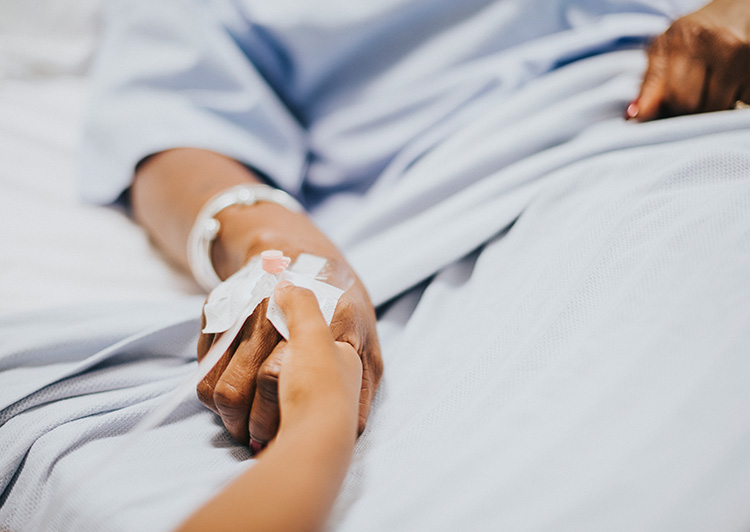
Parkinson’s Disease
Advancing Treatment for Motor and non-Motor Symptoms

Parkinson’s Disease (PD) is a progressive neurodegenerative disorder that primarily affects motor function but also has significant non-motor symptoms. It develops gradually, often beginning with subtle tremors, stiffness, or slowness of movement, and later progresses to difficulties in speech, balance, and daily activities.

Parkinson’s Disease
Advancing Treatment for Motor and non-Motor Symptoms
Parkinson’s Disease (PD) is a progressive neurodegenerative disorder that primarily affects motor function but also has significant non-motor symptoms. It develops gradually, often beginning with subtle tremors, stiffness, or slowness of movement, and later progresses to difficulties in speech, balance, and daily activities.
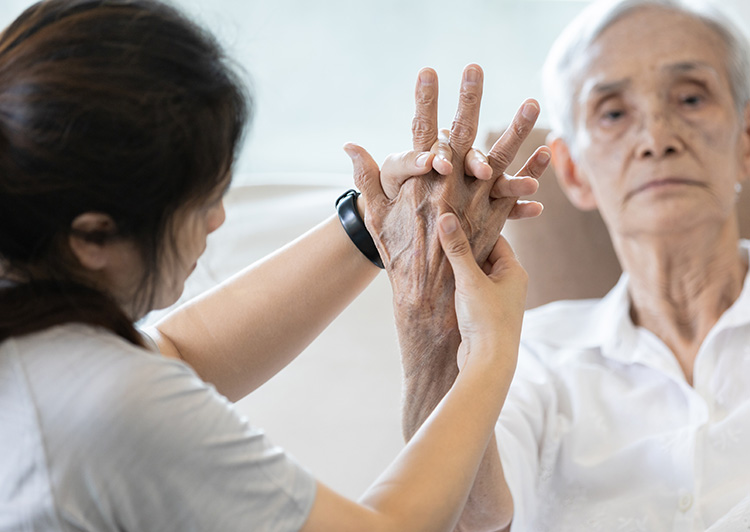
Overview of Parkinson’s Disease
PD is the second most common neurodegenerative disorder after Alzheimer’s disease, affecting more than 10 million people worldwide. The condition typically develops after the age of 60, though early-onset cases are also recognized.
The disease is characterized by:
Motor symptoms:
Resting tremor, bradykinesia, rigidity, postural instability
Non-motor symptoms:
Depression, anxiety, constipation, sleep disturbances, cognitive decline
The underlying pathology involves the progressive loss of dopaminergic neurons in the substantia nigra and the presence of Lewy bodies, which are intracellular aggregates of alpha-synuclein.
Current therapeutic options—including levodopa, dopamine agonists, MAO-B inhibitors, and deep brain stimulation (DBS)—provide substantial relief from motor symptoms but do not halt disease progression. Importantly, these treatments primarily target motor manifestations, while non-motor symptoms such as cognitive impairment, mood disorders, and sleep problems remain without consistently effective therapies, representing a significant unmet medical need.
Dasher Neuroscience’s Novel Therapeutic Approaches
Leveraging our expertise in neurodegenerative disorders, we are pursuing new treatments for PD. Our research indicates promising improvements in both motor function and non-motor symptoms. Our goal is to develop the next generation of therapies, offering renewed hope to those affected.